What Is Food-Grade Collagen—And Why Is Everyone Talking About It?
What Is Food-Grade Collagen—And Why Is Everyone Talking About It?
- If you’ve scrolled through wellness feeds lately, you’ve probably noticed collagen everywhere. Powders, gummiest, ready-to-drink shots—the options keep multiplying.
- But not all collagen is created equal.
- There’s a big difference between the collagen you put on your skin and the collagen you put in your body. And that distinction starts with one term: food-grade collagen.
- Here’s what it actually means, why it matters, and how to know if you’re getting the real deal.

First, the Numbers
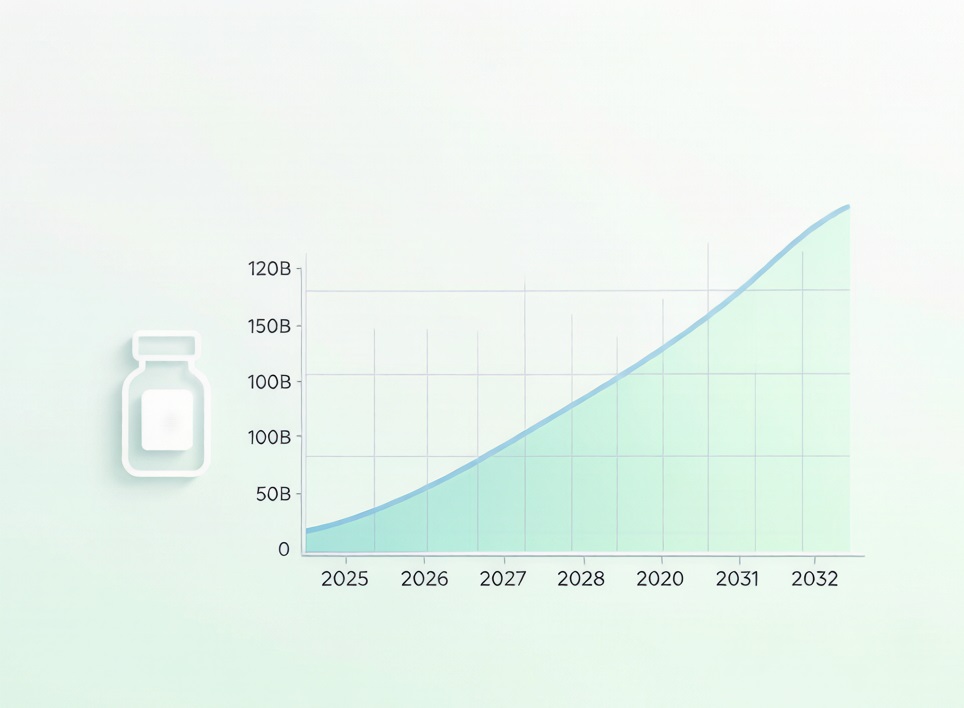
- Collagen isn’t a passing trend. The global collagen market was valued at roughly $5.5 billion in 2025 and is projected to hit nearly $10 billion by 2032—a compound annual growth rate of 8.47%. Food-grade collagen alone is estimated to grow from $4.12 billionin 2024to $6.89 billion by 2033.
- Consumers aren’t just buying. They’re switching. Clean-label positioning, traceable sourcing, and low-molecular-weight peptides are driving the shift. People want to know exactly what they’re consuming—and where it came from.
What Exactly Is Food-Grade Collagen?
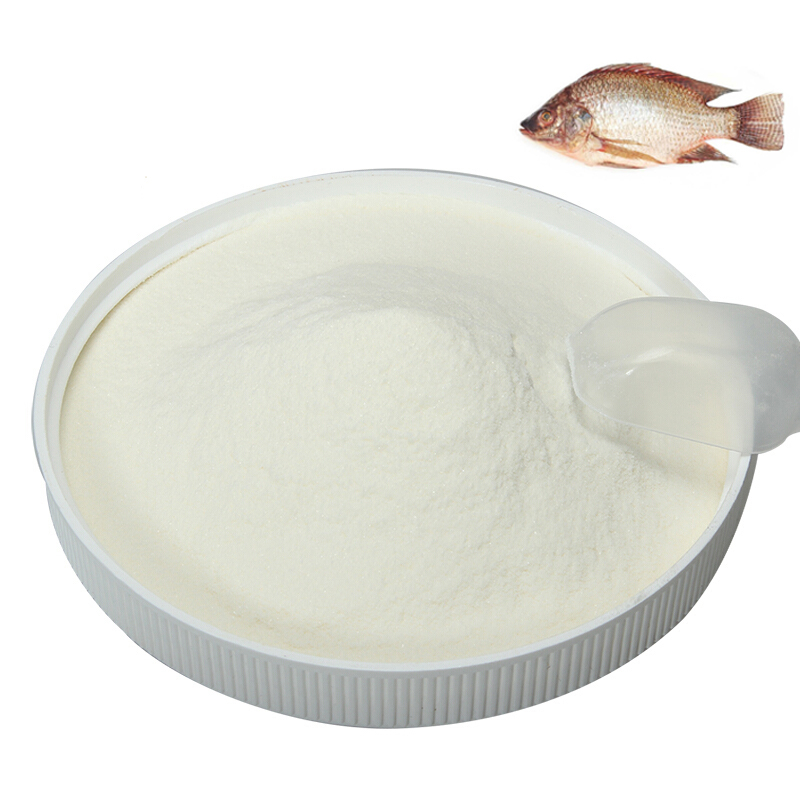
- Food-grade collagen is hydrolyzed collagen (meaning it’s broken down into smaller, absorbable peptides) that meets strict safety and purity standards for human consumption. It’s typically derived from bovine (cow), marine (fish), or poultry sources and processed into a tasteless, odorless powder that dissolves in hot or cold liquids.
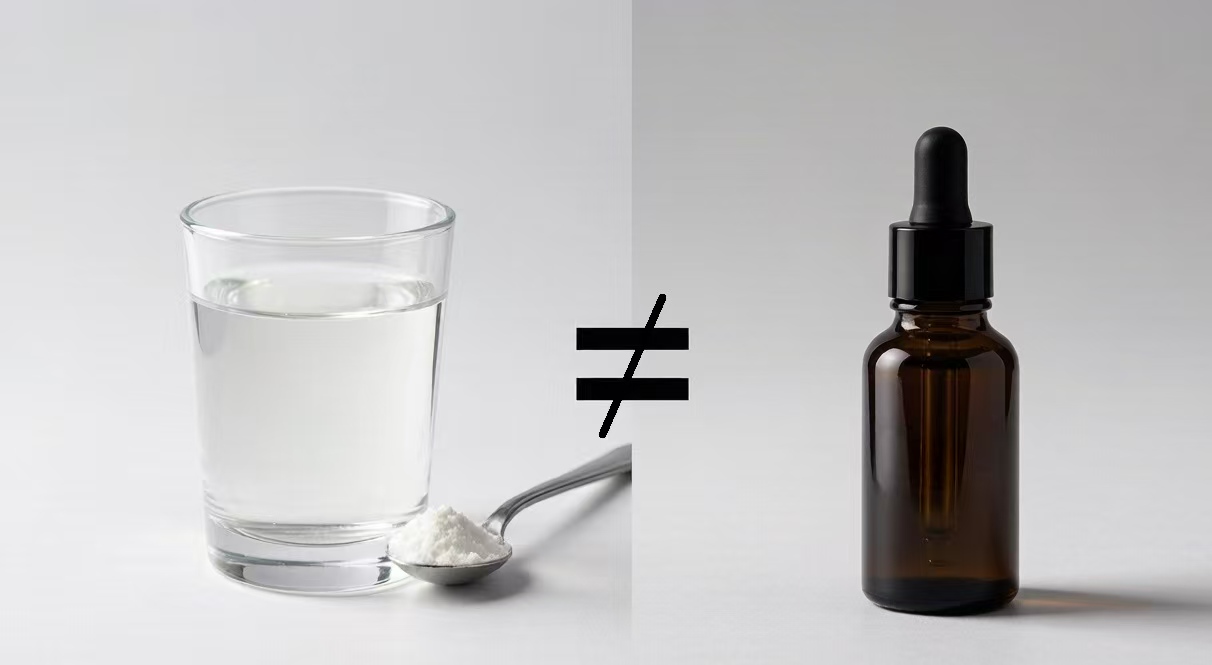
- Unlike cosmetic-grade collagen—which is formulated for topical application in creams, serums, and masks—food-grade collagen is designed to be digested and absorbed systemically. You’re not rubbing it on. You’re fueling your body from the inside out.
What Does It Actually Do?
- The science is catching up to the hype.
- Research shows that collagen peptides can support skin hydration and elasticity, with consistent, modest benefits backed by randomized controlled trials. They’ve also been linked to reduced joint pain and improved mobility. The amino acid profile—particularly glycerine—helps maintain gut lining integrity, supporting digestive health.
- One 2025 meta-analysis evaluated the real-world effects of collagen peptides on skin health during aging, confirming that supplementation delivers measurable benefits. Another study found that collagen peptides may even support body fat control in older adults.
Food-Grade vs. Cosmetic-Grade: The Key Difference
- This is where a lot of confusion happens.
|
Food-Grade Collagen |
Cosmetic-Grade Collagen |
|
Designed for oral consumption |
Designed for topical use |
|
Hydrolyzed for digestion and absorption |
Formulated for skin penetration |
|
Regulated as a food ingredient |
Regulated as a cosmetic ingredient |
|
Supports systemic benefits (skin, joints, gut) |
Provides surface-level hydration and plumping |
- Medical-grade collagen for injections is a third category—with different purity standards and properties entirely. If you’re swallowing it, you need food-grade. Period.
How to Choose a Quality Food-Grade Collagen
- Not all food-grade collagen is equal. Here’s what to look for:
- Hydrolyzed peptides. This means the collagen is broken down into smaller chains for better absorption. Look for “hydrolyzed” or “collagen peptides” on the label.
- Clean sourcing. Grass-fed bovine, wild-caught marine, or pasture-raised poultry sources are preferable. Traceability matters—and consumers are demanding it.
- Low molecular weight. Lower molecular weight fractions tend to have higher bio availability. Some studies use fractions under 3 for enhanced absorption.
- Minimal additives. The best food-grade collagen is unflavored and contains nothing else. You can mix it into coffee, smoothies, soups, or water without altering the taste.
The Bottom Line
- Food-grade collagen isn’t a gimmick. It’s a category backed by clinical research, growing consumer demand, and real physiological benefits. The market is projected to exceed $6.8 billion by 2033—and that growth is driven by people who’ve actually felt the difference.

- If you’re already taking collagen, check the label. If it doesn’t say “food-grade” or “hydrolyzed peptides,” you might not be getting what you think.
- And if you haven’t started? There’s never been a better time to pay attention.
Benefits of Marine Collagen Peptides for Skin Health