Peptone - The Core Nitrogen Source for Biomanufacturing
Peptone - The Core Nitrogen Source for Biomanufacturing
Core Value Proposition
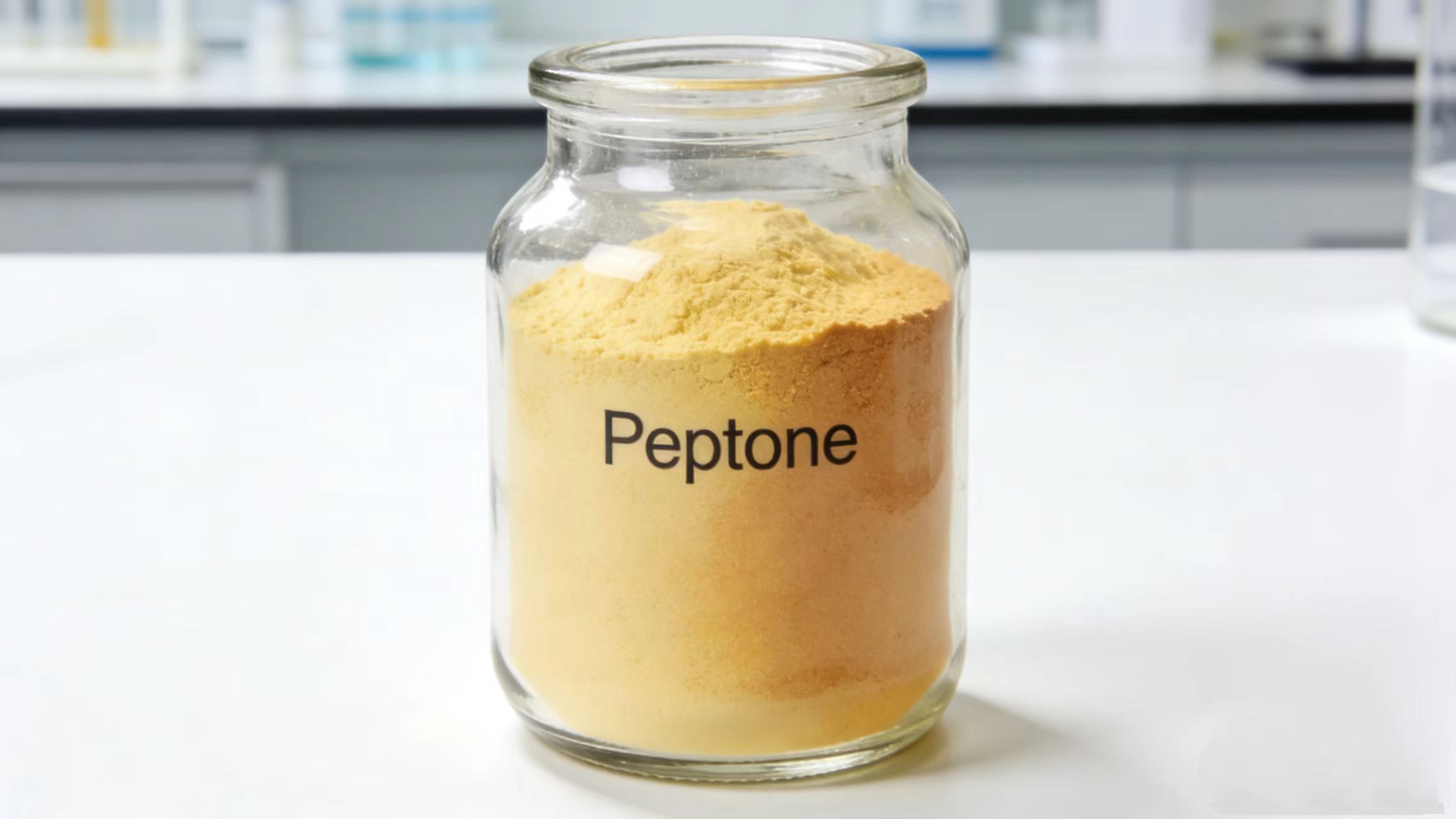
Peptone is a mixture of polypeptides obtained through controlled hydrolysis of proteins, with a molecular weight range of 500-3000Da. As the core nitrogen source in microbial culture, biopharmaceuticals, and industrial fermentation, it provides critical nutritional support for cell growth and metabolism.
Structure & Classification
- Core Structure: Short peptide chains linked by peptide bonds, retaining the activity of amino acids and stability of polypeptides, making them easily absorbed by microorganisms.
- Main Categories (by Source):
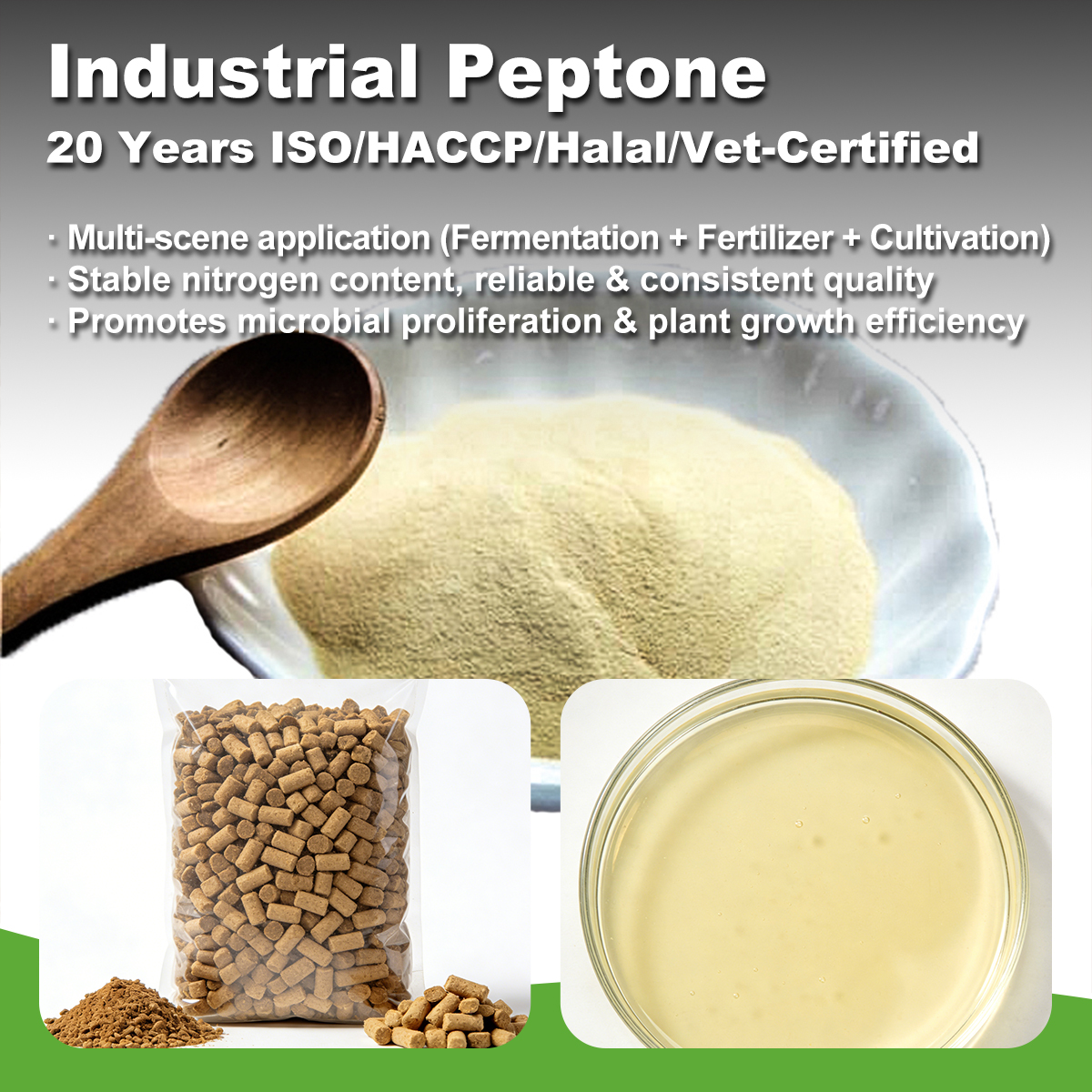
1. Animal-derived: Made from high-quality raw materials like beef bone gelatin and fish skin. Rich in essential amino acids and high nitrogen content.
2. Plant-derived: Produced from soybean and wheat protein. Animal-free, ideal for vegan and green manufacturing demands.
3. Microbial-derived: Derived from yeast and bacterial protein. High biological activity and rich in B vitamins.
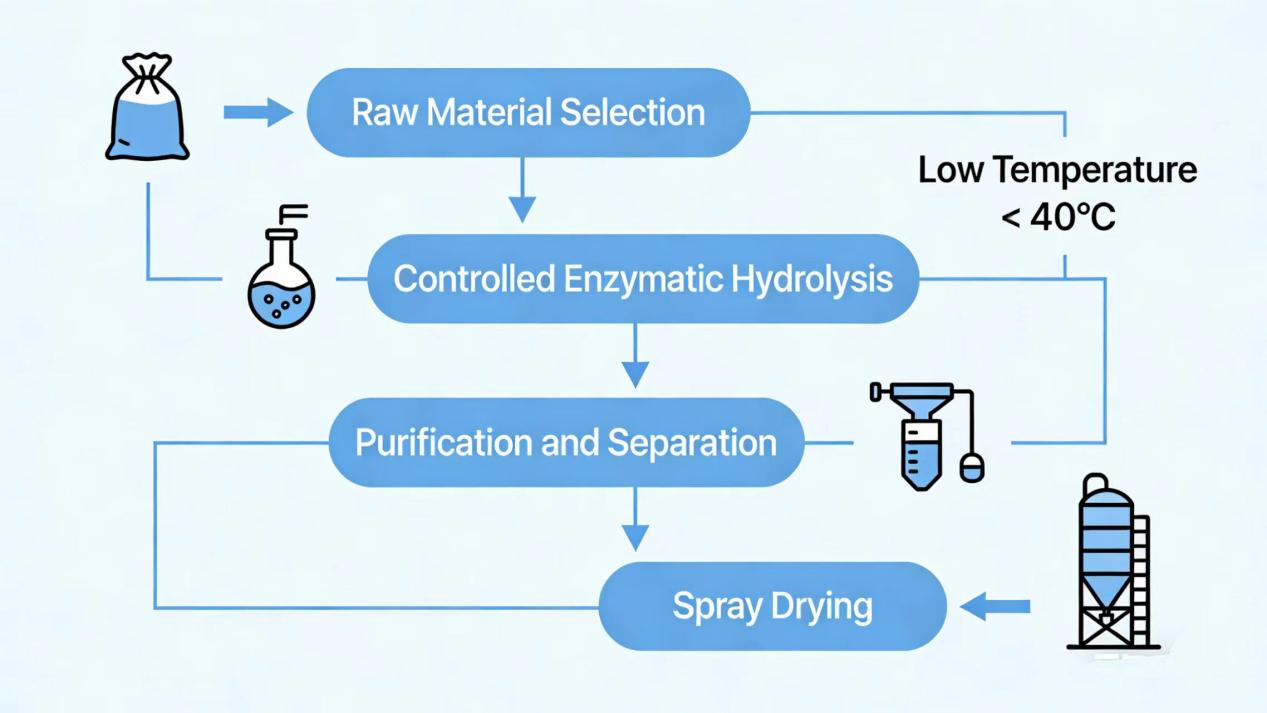
Standard Production Process (Precision-Controlled like Non-Denatured Type II Collagen)
1. Raw Material Selection & Pre-treatment
Select premium protein raw materials (e.g., soy protein isolate, fish skin gelatin). Remove fats, anti-nutritional factors (e.g., trypsin inhibitors), and impurities to ensure purity and safety.
2. Controlled Hydrolysis (Core Step)
Adopt enzymatic hydrolysis (replacing traditional acid/alkaline hydrolysis) with precise pH and temperature control:
- Pepsin Hydrolysis: pH 2.0-3.0, 37-40°C, specifically cleaves peptide bonds to retain intact amino acid sequences.
- Trypsin Hydrolysis: pH 7.5-8.5, 35-38°C, degrades into small peptide fragments to enhance bioavailability.
The endpoint is defined by peptide content ≥80% and uniform molecular weight distribution to avoid nutrition loss from over-hydrolysis.
3. Purification & Separation
Remove insoluble matter via centrifugation, and use ultrafiltration technology to separate endotoxins and macromolecular impurities, obtaining a clear peptone solution. Then, perform multi-stage filtration (0.22μm membrane) to ensure sterility and purity.
4. Concentration & Drying
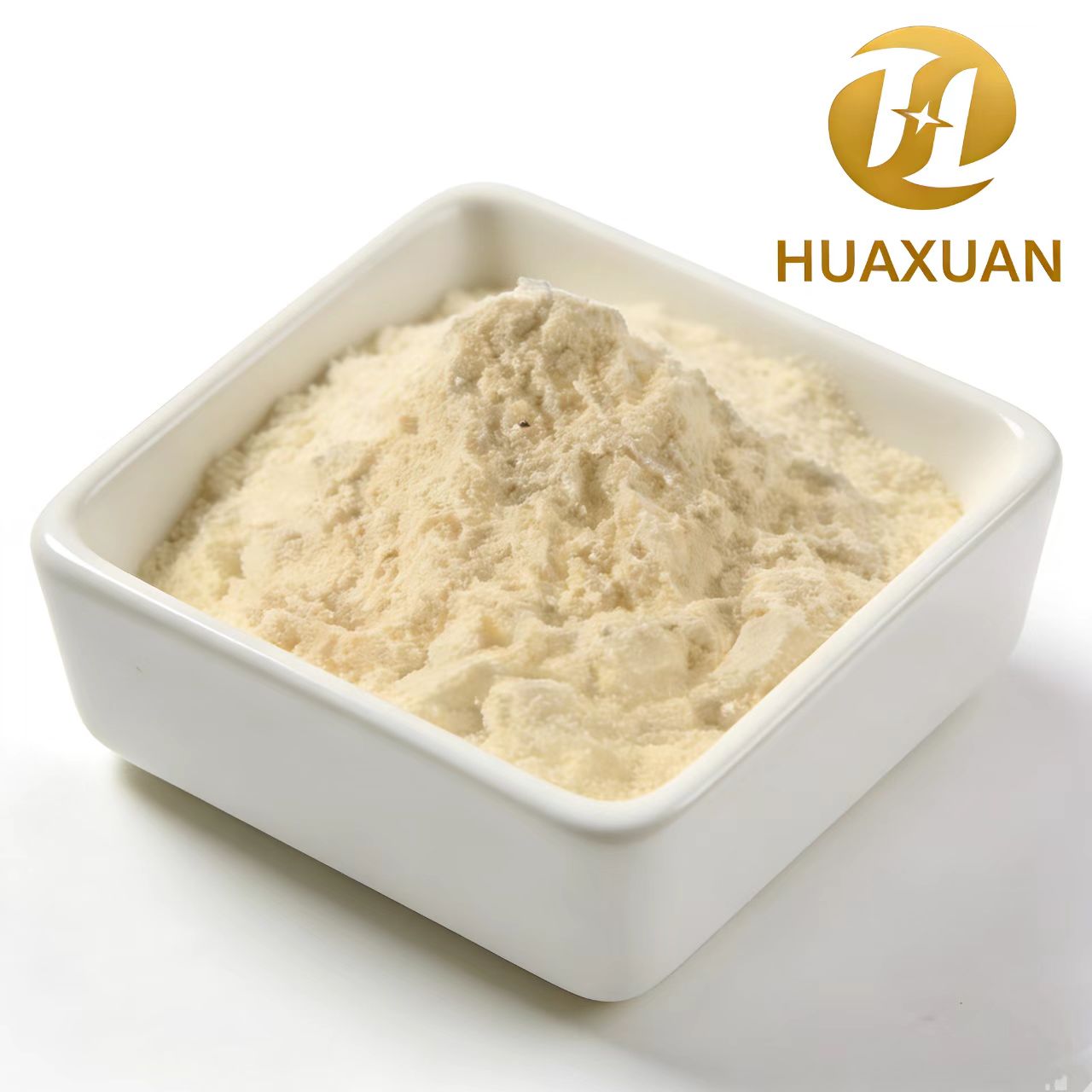
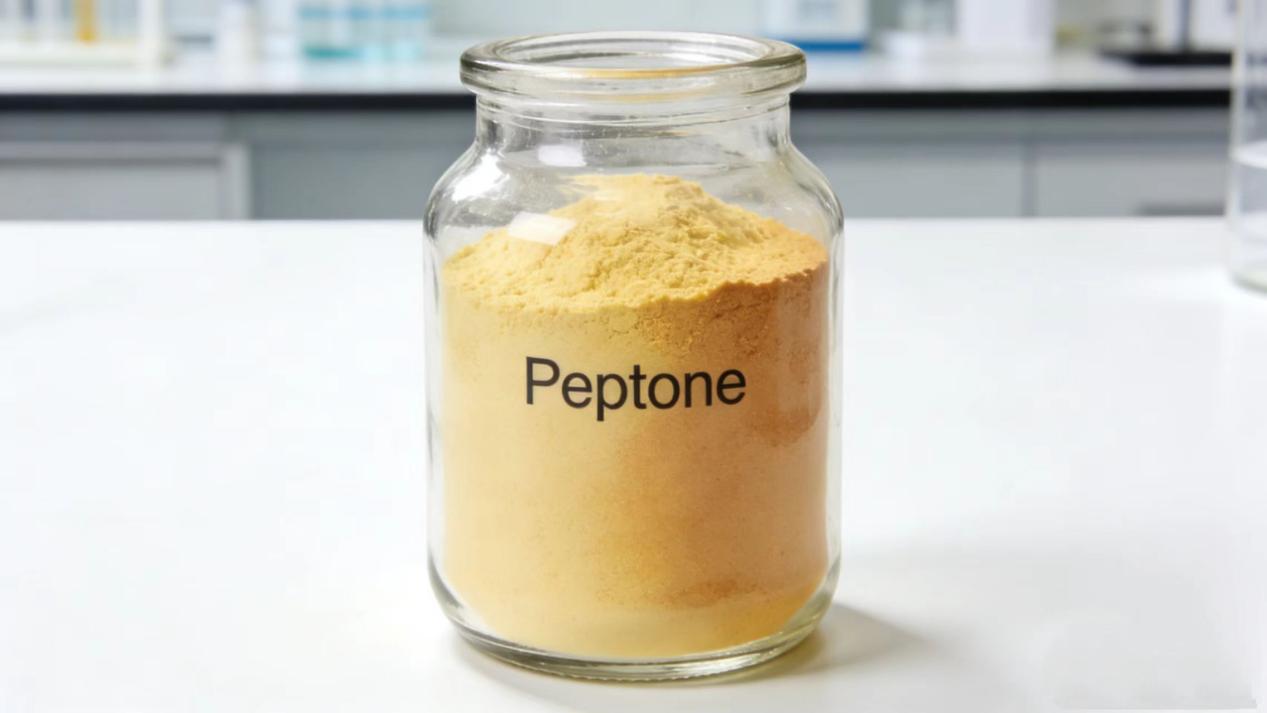
Use vacuum concentration (≤50°C) to retain active ingredients, followed by spray drying (inlet air temperature 160-180°C, outlet air temperature 80-90°C) to form a pale yellow to brownish-yellow powder with moisture ≤5%, ensuring easy storage and transportation.
Core Application Scenarios
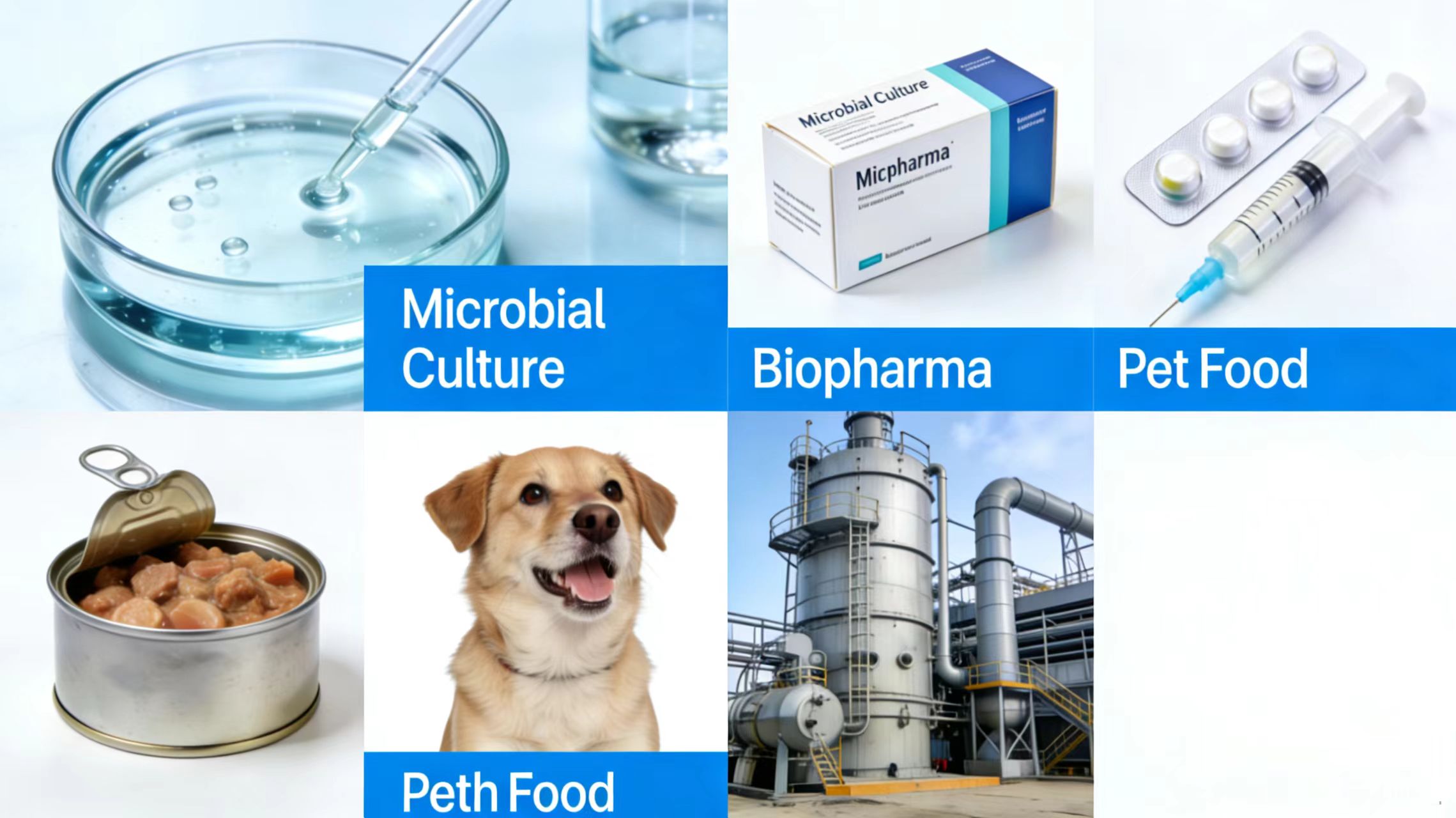
1. Microbial Culture Medium
Provides nitrogen and growth factors for bacteria, fungi, and yeast, widely used in the production of antibiotics, vaccines, and enzyme preparations. (e.g., Tryptone for Streptomyces fermentation, Yeast Peptone for probiotic proliferation).
2. Biopharmaceuticals
As pharmaceutical excipients or intermediates for cell culture of monoclonal antibodies and recombinant protein drugs. High purity (endotoxin ≤10EU/g) is a key indicator.
3. Food & Feed
As nutritional fortifiers to increase protein content and improve taste. In pet food, its easy digestibility enhances pet absorption and immunity.
4. Environmental Remediation
Acts as a microbial nutrient source to activate oil-degrading bacteria in contaminated soil, accelerating hydrocarbon degradation.
Connection to Non-Denatured Type II Collagen
They share the same origin: Non-denatured Type II Collagen is extracted from animal cartilage, while animal-derived peptone often uses by-products like cartilage and bones as raw materials, prepared through similar low-temperature enzymatic hydrolysis processes. The core difference lies in collagen retaining its complete triple helix structure, whereas peptone is degraded into small peptide segments, used in joint health and microbial nutrition fields respectively.
Key Buying & Usage Tips
- Selection: Choose the right type based on application scenarios (low-endotoxin animal-derived for pharmaceuticals, plant-derived for green manufacturing).
- Storage: Seal, protect from light, and keep dry (below 25°C) to avoid moisture absorption and caking.
- Application: Add accurately according to culture medium formulas. The recommended dosage is 0.5%-2.0% for animal-derived peptone and 1.0%-3.0% for plant-derived.
Conclusion
As the "nutritional cornerstone" of biomanufacturing, the precision of peptone's production process directly determines product performance. Benchmarking the low-temperature and enzymatic core technology of non-denatured Type II Collagen, peptone leads the way in high-efficiency bioproduction.
Bulk Wholesale Peptone for Industrial Fermentation with High Purity
Peptone Manufacturer Supplier Wholesaler