Peptone for Feed Fermentation: Boosting Silage, Probiotics & Fermented Feed
Peptoned microbials (DFM) and single-cell protein (SCP). At the heart of all of them sits the same constraint: microbes need a reliable, assimilable nitrogen source to multiply. This is where bovine peptone earns its place.

1. What Is Peptone, in Plain Terms?
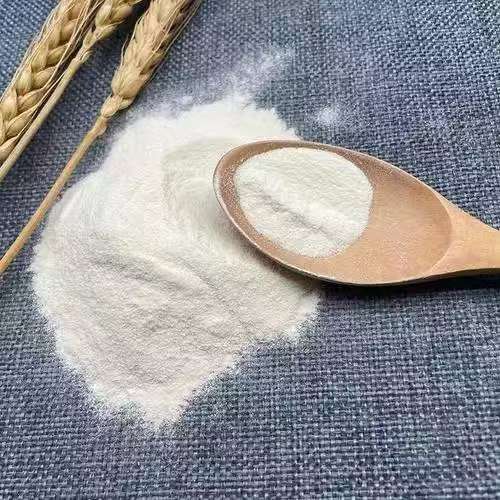
Peptone is a protein hydrolysate — collagen (here, from bovine bone) broken down by controlled hydrolysis into a mixture of small peptides and free amino acids, plus naturally occurring growth factors. Because the protein is already partially digested, microorganisms can take it up directly without first secreting proteases. That makes peptone one of the most readily assimilated organic nitrogen sources available for culture media.
2. Why Feed Fermentation Needs a Good Nitrogen Source
Whether you are making silage inoculant, fermented feed, a probiotic culture or SCP, the process is a microbial race. The starter culture must out-compete spoilage organisms and build biomass before the substrate acidifies or spoils. Nitrogen availability decides how fast and how completely that happens:
- Silage & fermented feed: lactic acid bacteria (LAB) and yeasts need peptides/amino acids to ferment sugars into lactic acid, lowering pH and preserving the feed.
- Probiotics / DFM: Bacillus, Lactobacillus and yeast biomass is grown in a liquid medium where peptone supplies the bulk of assimilable nitrogen.
- Single-cell protein: yeast or bacterial biomass for feed is essentially "harvested microbes" — their yield is directly tied to nitrogen supply.
- Aquaculture & feed enzymes: shrimp/fish feed fermentation and the production of feed enzymes (phytase, xylanase, protease) all rely on a dependable nitrogen base.
3. How Peptone Works in Feed Fermentation
Peptone does three jobs at once: it feeds the culture, buffers the medium, and supplies trace growth factors carried over from the collagen raw material. The diagram below shows where it sits in a typical feed-fermentation workflow.
4. Peptone vs Other Nitrogen Sources for Feed
Peptone is not the only option. Here is how it compares with the common alternatives used in feed fermentation.
| Nitrogen source | Assimilable N | Growth factors | Cost | Best use in feed |
|---|---|---|---|---|
| Bovine peptone | High (peptides + AA) | Moderate | Low–Mid | Culture media, DFM, SCP, silage inoculant |
| Yeast extract | High | High (B-vitamins) | High | Premium cultures, vitamin-rich media |
| Corn steep liquor | Medium | High (organic) | Low | Bulk SCP, low-cost fermentations |
| Soybean meal hydrolysate | Medium | Low–Moderate | Low | Plant-based / cost-sensitive media |
| Urea / ammonium salts | Inorganic | None | Very low | Only for urea-tolerant strains |
5. Key Quality Specs for Feed-Grade Peptone
For feed and culture-media use, consistency matters more than a single impressive number. The specs below are the Huaxuan feed/industrial peptone baseline.
| Parameter | Specification | Why it matters in feed |
|---|---|---|
| Source | Bovine bone collagen | Edible-origin, traceable raw material |
| Moisture | ≤ 6% | Stable shelf life, easy handling |
| Solubility | ≥ 98% | Dissolves cleanly in the medium |
| pH (1% solution) | 4.0 – 6.0 | Mild, compatible with LAB/yeast |
| Total nitrogen | ≥ 14% | Assurable nitrogen content |
| Amino nitrogen | ≥ 3% | Readily assimilated fraction |
| Arsenic (As) | ≤ 5 ppm | Feed-safety limit |
| Lead (Pb) | ≤ 10 ppm | Heavy-metal control |
| Pathogens | Negative | Biosecurity for feed use |
6. Application Scenarios

6.1 Silage & fermented feed inoculants
Grow LAB and Bacillus on a peptone-based medium, then apply the culture to corn, grass or crop-residue silage to accelerate acidification and improve palatability and digestibility.
6.2 Direct-fed microbials (DFM) & probiotics
Bacillus subtilis, Lactobacillus and Saccharomyces biomass for animal gut-health products are produced in peptone-supported liquid culture, then concentrated and stabilized.
6.3 Single-cell protein (SCP)
Yeast or bacterial biomass grown on agricultural by-products with peptone supplementation becomes a protein-rich feed ingredient — turning low-value substrate into high-value nutrition.
6.4 Aquaculture feed
Shrimp and fish feed fermentation benefits from peptone-driven microbial activity that improves feed conversion and water quality in culture systems.
6.5 Feed enzyme production
The phytase, xylanase and protease used in animal feed are themselves made by fermentation — peptone is a proven nitrogen base for those enzyme strains too.

7. Dosage & Best Practices
- Typical rate: 0.5%–2.0% w/v in the culture medium, tuned by strain and target biomass.
- Screen first: run shake-flask tests across 0.5 / 1.0 / 1.5 / 2.0% to find the point of diminishing returns for your specific strain.
- Sterilization: autoclave the medium; avoid overheating peptone solutions for long periods to preserve growth factors.
- Storage: keep sealed in a cool, dry place; the ≤6% moisture spec supports a long stable shelf life.
- Blending: pair with yeast extract (e.g. 70:30 peptone:yeast extract) when maximum biomass is required.

8. Why Huaxuan Bovine Peptone
- 🏭 20-year exporter with full documentation for smooth customs clearance.
- 📦 Bulk supply capacity for continuous feed-production lines.
- 🔁 Batch-to-batch consistency — stable amino-acid profile and solubility.
- ✅ HALAL available on request, with COA for every lot.
9. Frequently Asked Questions
Can peptone be used to produce silage inoculants and fermented feed?
Yes. Peptone is an excellent organic nitrogen source for growing the lactic acid bacteria, Bacillus and yeast strains used as silage inoculants and in fermented feed production. Its balanced peptide and free-amino-acid profile supports fast biomass build-up before the culture is added to the feed substrate.
Is peptone safe for animal feed applications?
Feed-grade bovine peptone is derived from edible bovine bone collagen through controlled hydrolysis. With arsenic ≤5 ppm, lead ≤10 ppm, low bioburden and negative pathogens, it meets the safety expectations of feed and culture-media use. Always request the COA and confirm local feed regulations before use.
What dosage of peptone is typical in feed fermentation media?
Typical culture-media use is 0.5%–2.0% w/v, tuned by strain and target biomass. For direct-fed microbial (DFM) and single-cell protein production, optimize through shake-flask screening before scaling up.
Peptone vs yeast extract — which is better for feed fermentation?
Both are high-quality organic nitrogen sources. Yeast extract is richer in B-vitamins and growth factors but usually more expensive; peptone supplies readily assimilated peptides and amino acids at a lower cost. Many producers blend the two to balance cost and performance.
Do you supply HALAL and export-documented peptone?
Yes. Xiamen Huaxuan Gelatin supplies bovine peptone with full export documentation and HALAL certification on request, supported by 20 years of export experience to Europe, the Middle East, Southeast Asia, the Americas and Russia.
Need a peptone sample for your feed fermentation line?
Tell us your strain and target product — we'll recommend the right grade and send a COA-backed sample.
Email Sales Call +86 177 5000 5106Peptone Market 2026: Types, Applications & Sourcing Guide for Biotech Procurement
Trusted Gelatin, Collagen, Pectin & Empty Capsule Manufacturer from Xiamen, China
Related Article