


casein peptone
2026-04-27
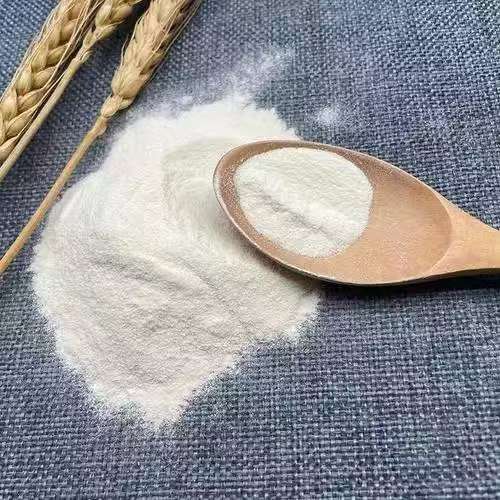
Casein Peptone: The Unsung Hero of Microbiology and Biotech
If you work in microbiology, biotech, or pharmaceutical research, you’ve probably used casein peptone without stopping to appreciate how vital it is. This humble ingredient, derived from milk’s most abundant protein, is the backbone of microbial culture media—and it’s quietly powering breakthroughs in everything from vaccine production to probiotic development. Let’s dive into what makes casein peptone so special, its key benefits, and why it’s becoming an indispensable tool in labs and industrial settings worldwide.
What Exactly Is Casein Peptone?
Casein peptone, often referred to as tryptone (a common synonym), is a water-soluble protein hydrolysate made by enzymatically digesting casein— the main protein found in bovine milk—typically using pancreatic enzymes like trypsin or pancreatin. This controlled digestion breaks down the large, complex casein molecule into smaller, more bioavailable peptides, free amino acids, vitamins, and minerals—creating a nutrient-rich mixture that microorganisms love.
Unlike raw casein, which is difficult for microbes to utilize, casein peptone’s hydrolyzed form provides an immediate and balanced nutrient source. It’s available as a lightly brownish yellow or off-white granulate or powder, with a characteristic odor (but never putrescent) and excellent solubility in water—key traits that make it easy to work with in lab and industrial environments.
Key Properties That Make It Stand Out
What sets casein peptone apart from other peptones (like meat or soy peptone) are its unique chemical and physical properties, which make it ideal for a wide range of applications:
-
Balanced Nutritional Profile: It boasts a high total nitrogen content (typically 12.0–14.0%) and amino nitrogen content (3.0–5.0%), with an abundance of essential amino acids—most notably tryptophan, which is critical for microbial metabolism and biochemical tests like the indole test. It’s also low in carbohydrates, making it suitable for tests where sugar interference is a concern.
-
Exceptional Solubility & Handling: Granulated casein peptone dissolves rapidly and uniformly in water, with no clumping—even in humid or warm conditions. This not only saves time but also ensures consistent nutrient distribution in culture media, leading to more reliable results. Its free-flowing nature also makes weighing and handling easier, reducing contamination risks and inhalation of allergenic particles.
-
Stability & Purity: When stored properly (15–25°C, tightly sealed), casein peptone has a stable shelf life, with strict quality controls to ensure it’s free of pathogens like E. coli, Salmonella, and Staphylococcus aureus. It meets stringent USP and microbiology standards, making it safe for use in pharmaceutical and food-related applications.
-
Versatile pH Range: A 5% aqueous solution of casein peptone has a pH of 6.7–7.7, which is neutral and compatible with most microbial strains—eliminating the need for extensive pH adjustments in media preparation.
Trusted Gelatin, Collagen, Pectin & Empty Capsule Manufacturer from Xiamen, China
Premium Nitrogen Source for Bacterial Culture & Laboratory Fermentation
Related Article

Bovine peptone is a cost-effective organic nitrogen source that powers the microbial cultures behind silage inoculants, fermented feed, probiotics and single-cell protein. Here is how it works — and how to use it.
Peptone for Feed Fermentation: Boosting Silage, Probiotics & Fermented Feed
For 20 years, Xiamen Huaxuan Gelatin Co., Ltd. has manufactured and exported food grade gelatin, bovine & fish collagen, apple & citrus pectin and empty capsules to customers across Europe, the Middle East, Southeast Asia, the Americas and Russia — with full documentation support for smooth customs clearance.
Trusted Gelatin, Collagen, Pectin & Empty Capsule Manufacturer from Xiamen, China