What Factors Define a Top-Rated Peptone for Microbiology Factory?

For commercial microbiology manufacturing plants, peptone is one of the most indispensable raw materials for culture media. As a key organic nitrogen source made up of free amino acids, short-chain peptides and natural growth factors, it directly shapes how microbes grow, how stable fermentation runs, and how uniform final industrial products turn out. In large-scale microbial cultivation, vaccine manufacturing, enzyme fermentation and routine microbial testing workflows, substandard peptone is often the hidden culprit behind slow strain propagation, erratic fermentation batches, irregular metabolite generation, and even full production downtime. This is why professional microbiology factories always prioritize qualified, high-performance industrial peptone selected by practical technical standards, rather than choosing generic lab-grade products for mass production.
Peptone used in industrial settings serves completely different purposes compared with small-batch peptone for laboratory trials. Industrial production demands reliable batch uniformity, strong environmental adaptability and full safety compliance. Through years of frontline manufacturing practice and alignment with global industry benchmarks, we’ve sorted out the definitive criteria for premium factory-grade peptone, covering raw material reliability, nutritional balance, physicochemical performance, microbial safety, batch stability and industrial applicability.
1. Reliable and Stable Raw Material Sources
The quality ceiling of any peptone product is fundamentally decided by its raw material sources and hydrolysis craftsmanship. Industrial peptone is generally processed from animal tissue protein, plant protein or yeast extract, and each raw material type delivers unique nutritional traits that suit distinct production scenarios.
Meat and casein-derived peptones feature diverse polypeptide distribution and complete amino acid profiles. They work perfectly for cultivating common heterotrophic bacteria like Escherichia coli and Staphylococcus aureus, which thrive on medium-molecular-weight peptides (500–1000 Da) for fast absorption and rapid proliferation. In contrast, plant-based and yeast peptones carry far fewer impurities with more uniform component structures. They effectively minimize batch-to-batch fluctuations triggered by raw material variations, making them the preferred option for high-standard pharmaceutical fermentation and precision microbiology manufacturing.
Credible peptone suppliers enforce rigorous raw material control protocols: fixed and traceable sourcing channels, routine component testing for incoming materials, and strict elimination of deteriorated, contaminated or low-purity raw stock. This standardized upstream management ensures the finished peptone delivers steady and reliable nutritional performance in every batch.
2. Balanced and Bioavailable Nutritional Composition
What makes premium peptone stand out is its outstanding ability to boost microbial growth, which stems from a well-balanced nutritional structure centered on total nitrogen and amino nitrogen. In industrial production, total nitrogen content represents the overall nitrogen reserve available for microbial metabolism, while α-amino nitrogen content stands for the proportion of free amino acids that microbes can absorb and utilize directly. These two indicators are universally recognized as the core yardsticks for judging peptone activity and practical value.
High-grade industrial peptone maintains total nitrogen levels between 9.0% and 14.0% with a well-proportioned ratio of amino nitrogen, alongside optimized distribution of short-chain peptides and free amino acids. This scientific composition provides continuous and efficient nitrogen supply for microbial cell growth and metabolite synthesis, greatly boosting fermentation density and overall production efficiency. On the flip side, inferior peptone suffers from chaotic peptide molecular weight distribution, excess macromolecular protein residues and insufficient available nitrogen. These flaws lead to slow microbial growth, low biomass yield and inconsistent fermentation cycle durations, creating major obstacles for stable mass production.
Beyond core nitrogen components, top-tier peptone also contains natural trace vitamins, mineral elements and active growth factors generated during controlled hydrolysis. These auxiliary nutrients work synergistically to activate microbial metabolism, adapting to the cultivation needs of various strains, including common bacteria, yeast and mold species used in industrial production.
3. Standardized Physical and Chemical Indicators
Industrial microbiology manufacturing imposes extremely strict requirements on peptone’s physicochemical properties. Any substandard physical or chemical index can interfere with medium preparation and high-temperature sterilization results, ruining entire fermentation batches. Reliable factory-grade peptone must meet unified industrial and pharmacopoeia standards in the following key aspects:
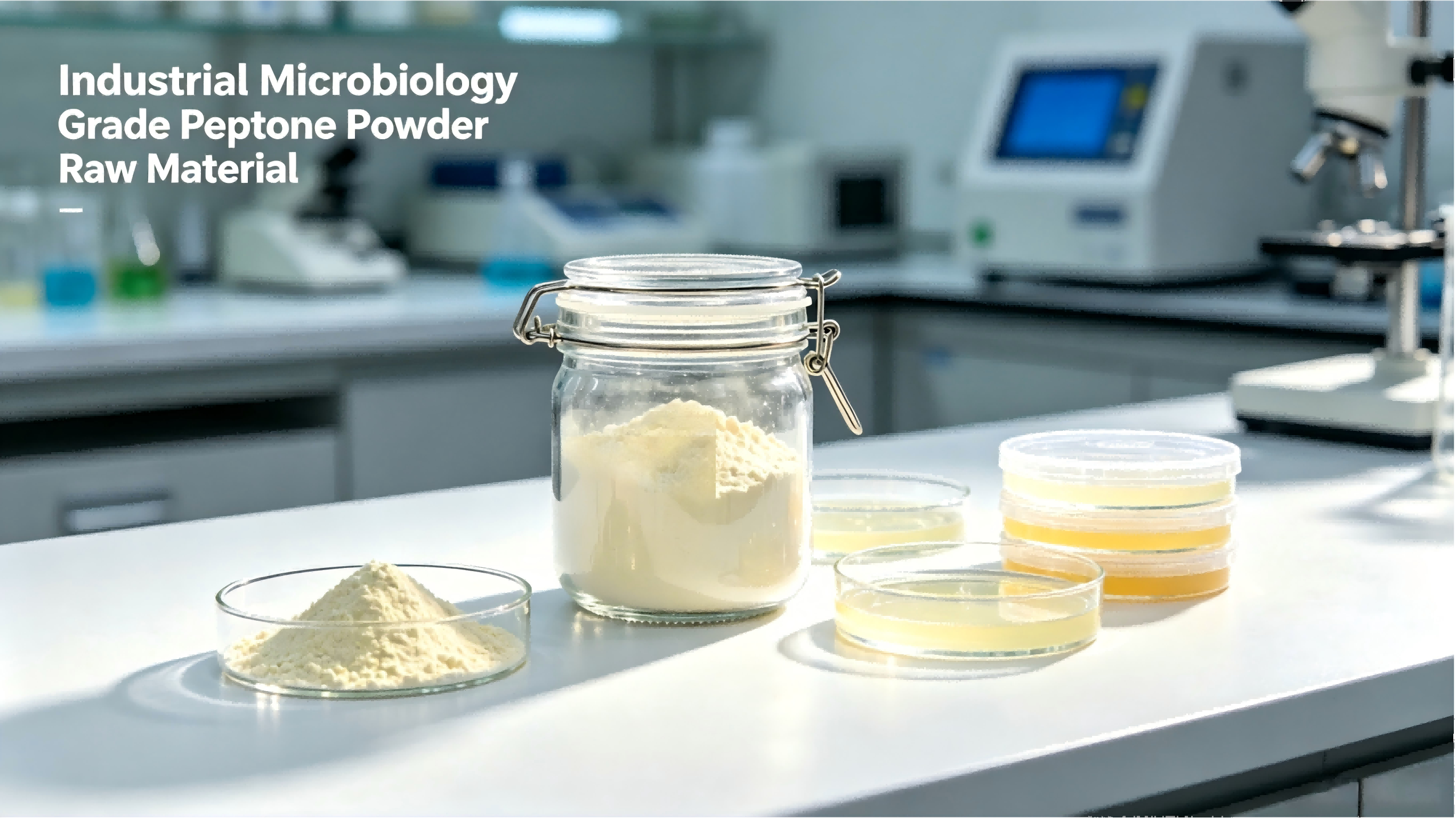
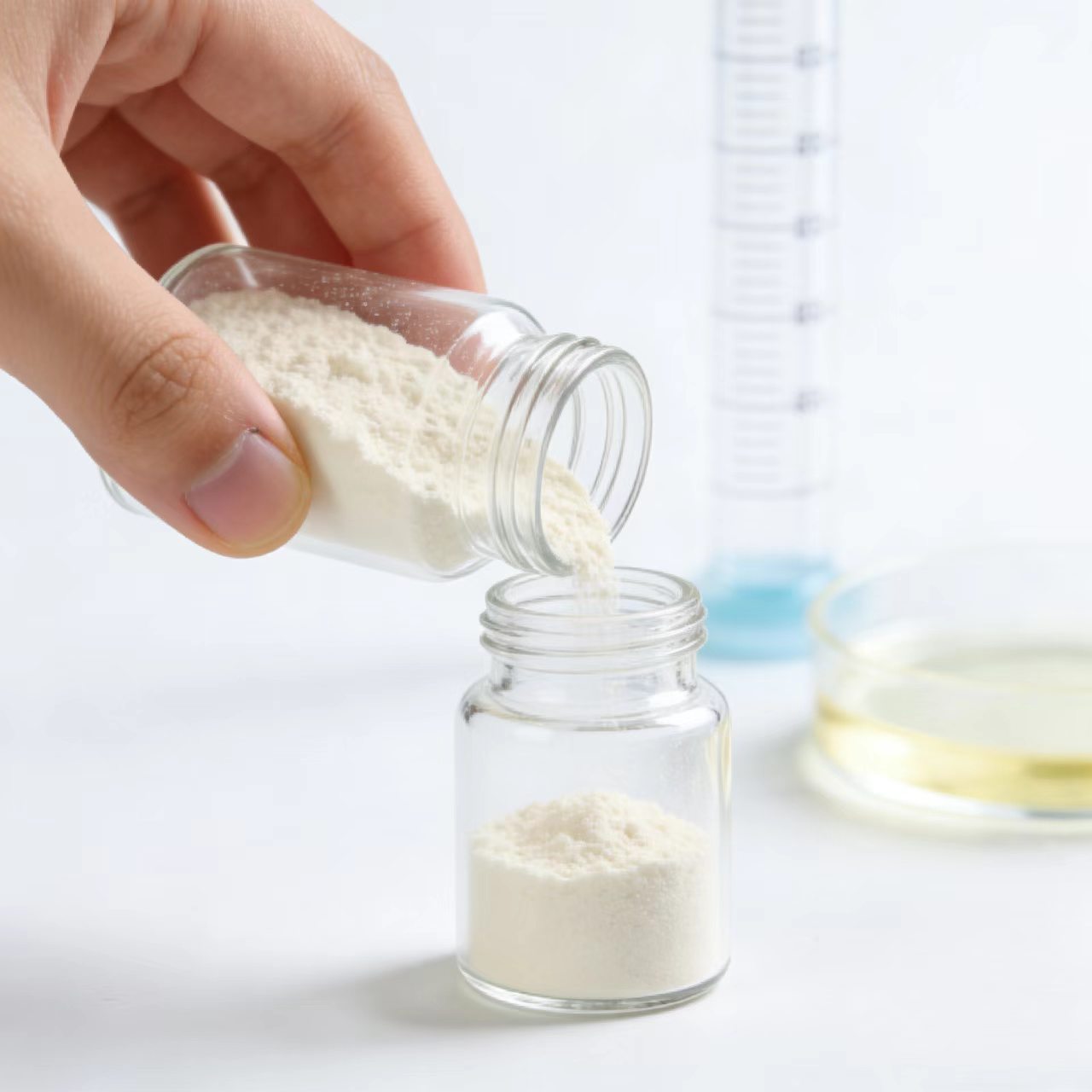
First, superior solubility and solution clarity. Qualified premium peptone appears as even pale yellow fine powder with excellent water solubility. It dissolves completely in neutral or weakly aqueous solutions without leaving insoluble sediments or floating impurities. After standard autoclaving treatment, the final medium solution remains clear and transparent, avoiding wall adhesion, liquid stratification and other issues that disrupt fermentation uniformity and microbial growth observation.
Second, consistent pH stability. The aqueous solution of high-quality peptone stays steadily at pH 6.5±1.5, with no sharp acid-base fluctuations after high-pressure sterilization. A stable pH environment provides ideal living conditions for target microbes and prevents metabolic disorders caused by unbalanced acidity or alkalinity during fermentation.
Third, low moisture and ash content. Standard industrial peptone controls moisture content below 5% with ash content kept within safe industrial ranges. Excess moisture causes peptone caking, moisture absorption and mildew during long-term storage. High ash content introduces unwanted inorganic impurities that disrupt microbial metabolic processes and compromise the purity of final fermentation products.
4. Strict Microbial Safety and Low Impurity Interference
Microbial safety is the non-negotiable bottom line for factory-grade peptone, especially for pharmaceutical-grade, food-grade and vaccine-related microbiology production. Top-rated peptone undergoes full sterile processing and strict microbial limit testing during manufacturing, free from viable pathogenic bacteria, mold and yeast contamination. This effectively eliminates miscellaneous bacteria pollution risks that can trigger large-scale batch rejection in industrial fermentation.
Additionally, high-quality peptone features low toxin levels and minimal biological interference. It contains no residual hydrolysis agents, heavy metal residues or growth-inhibiting substances. Many low-cost inferior peptones adopt crude hydrolysis techniques, leaving harmful impurities that inhibit strain activity, cut down fermentation yield and cause inconsistent product quality. Professional high-grade peptone strictly controls heavy metal residues and harmful additives, fully complying with global industrial and pharmaceutical safety specifications.
5. Superior Batch-to-Batch Consistency
Batch consistency is the biggest distinction between industrial peptone and ordinary lab-grade peptone. Microbiology factories run continuous, large-scale production cycles. Even tiny component differences across peptone batches will be magnified in mass manufacturing, leading to uneven microbial growth rates, unstable fermentation yields and disrupted production scheduling.
Trusted top-rated peptone is produced with fixed hydrolysis workflows, precise parameter calibration and professional blending technology. Every finished batch goes through comprehensive physicochemical and microbial testing, paired with complete COA (Certificate of Analysis) documentation. Key properties including nutritional composition, solubility, pH value and growth-promoting performance remain highly consistent across all batches, ensuring repeatable, stable fermentation results and ruling out production risks from raw material instability.
6. Good Industrial Adaptability and Storage Stability
Industrial peptone must adapt to complex and rigorous factory operation conditions. Premium peptone boasts excellent thermal stability, retaining complete nutritional activity without degradation or invalid substance generation after standard high-temperature and high-pressure sterilization. It features strong compatibility with common culture media formulas and never reacts with auxiliary raw materials like yeast extract and glucose to form precipitates or growth-inhibiting compounds.
In terms of storage performance, high-quality peptone maintains stable quality for the full validity period when sealed and kept in dry environments. It resists moisture absorption, caking and quality deterioration perfectly, fitting factories’ bulk purchasing and long-term storage needs. This greatly reduces raw material waste and the extra costs of frequent material replacement.
To sum up, top-rated peptone for microbiology factories relies on no single outstanding index, but overall comprehensive performance: stable raw material supply, balanced nutrition, standardized physicochemical indicators, reliable microbial safety, consistent batch quality and strong industrial adaptability. For microbiology manufacturers, choosing qualified industrial peptone means stabilizing the core foundation of microbial culture and fermentation production. It effectively reduces production failure rates, improves fermentation yield and product uniformity, and delivers steady economic returns for large-scale industrial manufacturing.
When sourcing peptone for factory use, enterprises should avoid pure price-oriented purchasing decisions. Instead, it is more practical to prioritize core advantages such as batch stability, microbial safety and reliable growth-promoting performance, to fully meet the high-standard operation requirements of modern microbiology production lines.
Specialized Bovine and Marine Collagen Peptides Manufacturer for Nutraceuticals & Functional Foods
Collagen Solution: Restore Youthful Skin, Joint Health & Whole-Body Wellness Naturally
Related blog