


Predigested Protein
Industrial Protein: A Complete Guide from Lab to Factory
Deep dive into recombinant expression, purification workflows, quality control, and industry applications — your comprehensive resource for biotech manufacturing
What is Industrial Protein
Industrial proteins are proteins produced at large scale through biotechnological methods, with specific functional properties for applications in pharmaceuticals, food, chemicals, agriculture, and beyond. Unlike laboratory-scale research, industrial protein production emphasizes four core metrics: high yield, high purity, low cost, and batch consistency.
Based on source and preparation method, industrial proteins can be categorized as follows:
- Recombinant proteins: Expressed in host cells (E. coli, yeast, mammalian cells) through genetic engineering
- Native proteins: Extracted directly from animal, plant tissues, or microbial fermentation broth
- Enzyme preparations: Catalytic proteins — the largest category of industrial proteins by volume and application scope
- Collagen and gelatin: Extracted from animal connective tissue for food and cosmetics
Production Methods & Technology
Industrial protein production is the core of biotechnology, involving gene cloning, host selection, fermentation optimization, and more. The bioreactor is the key equipment enabling large-scale production.
2.1 Bioreactor Systems
Modern industrial protein production primarily uses stirred-tank bioreactors, precisely controlling temperature, pH, dissolved oxygen, and agitation rate to provide optimal conditions for cell growth and protein expression. Fed-batch culture is currently the dominant production strategy, maintaining high cell density while avoiding substrate inhibition.
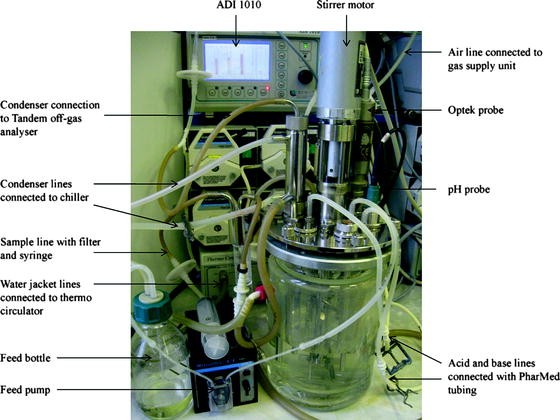
Figure 1: Bioreactor for Recombinant Protein Production
The complete bioreactor system configuration includes ADI controller, stirrer motor, pH probe, dissolved oxygen probe, feed pump, and condenser system. This setup is used for high-density fermentation of recombinant proteins in yeast cells.
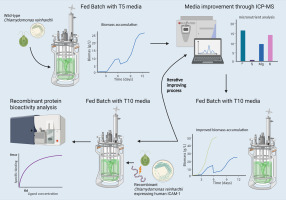
Figure 2: High-Density Fed-Batch Production in Microalgae
UsingChlamydomonas reinhardtii as host, combined with fed-batch culture and ICP-MS media optimization to achieve efficient production of bioactive human recombinant protein. The workflow covers biomass accumulation, protein expression analysis, media improvement, and process scale-up.
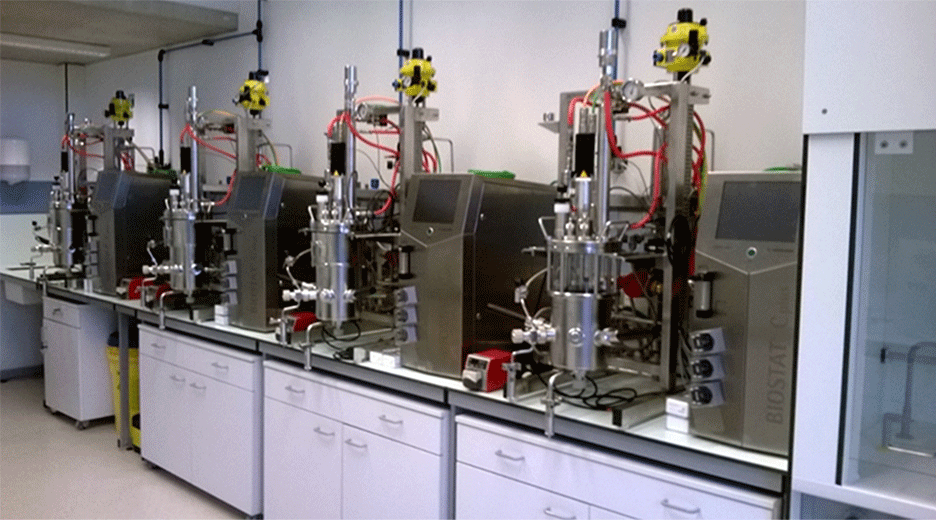
Figure 3: Industrial-Scale Protein Manufacturing Facility
Modern protein manufacturing facilities are equipped with multiple parallel bioreactors, enabling seamless scale-up from laboratory to industrial production. GMP-standard workshops ensure product quality meets pharmaceutical-grade requirements.
2.2 Major Expression Systems Comparison
| Expression System | Advantages | Limitations | Typical Applications |
|---|---|---|---|
| E. coli | Fast growth, low cost, well-characterized genetics | No glycosylation, prone to inclusion bodies | Insulin, interferon, industrial enzymes |
| Pichia pastoris | Can glycosylate, secreted expression, high-density fermentation | Glycosylation pattern differs from human | Vaccines, antibody fragments |
| CHO cells | Human-like glycosylation, suitable for complex proteins | High culture cost, long cycle time | Monoclonal antibodies, recombinant protein drugs |
| Microalgae | Photosynthesis, low cost, high safety | Relatively low expression levels | Oral vaccines, nutritional proteins |
💡 Process Optimization Tips
The core challenge in industrial protein production is balancing yield and quality. Excessive expression rates may lead to protein misfolding or inclusion body formation, actually reducing effective yield. By optimizing induction conditions (temperature, IPTG concentration, induction timing) and co-expressing molecular chaperones, the soluble protein ratio can be significantly improved.
Protein Purification
Protein purification is the most critical downstream process in industrial protein production, directly affecting product purity, activity, and cost. A typical purification workflow includes five stages: cell disruption, solid-liquid separation, coarse purification, fine purification, and final processing.
3.1 Complete Protein Purification Workflow
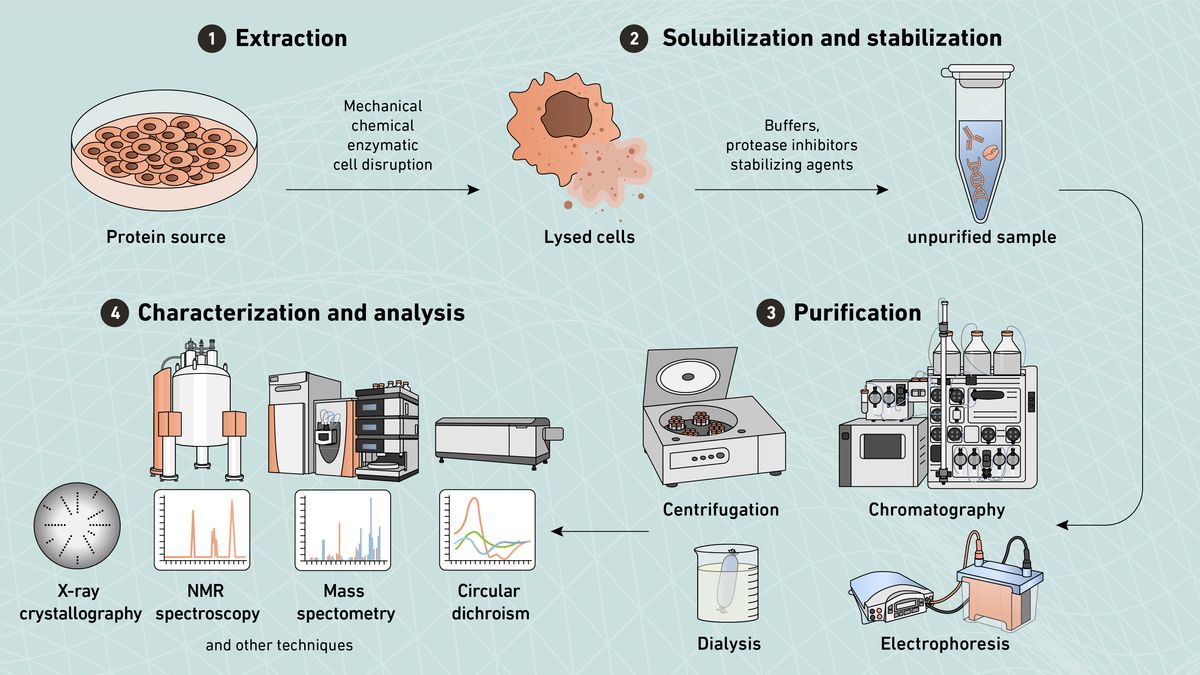
Figure 4: Complete Protein Purification Workflow
The standard four-step industrial protein purification process: (1) Extraction — cell disruption via mechanical/chemical/enzymatic methods; (2) Solubilization & Stabilization — using buffers and protease inhibitors to protect protein activity; (3) Purification — centrifugation, chromatography, electrophoresis, dialysis; (4) Characterization — X-ray crystallography, NMR, mass spectrometry, circular dichroism.
3.2 Cell Disruption Methods
Releasing proteins from cells is the first step. Depending on the target protein's properties and cell type, mechanical or non-mechanical methods can be chosen:
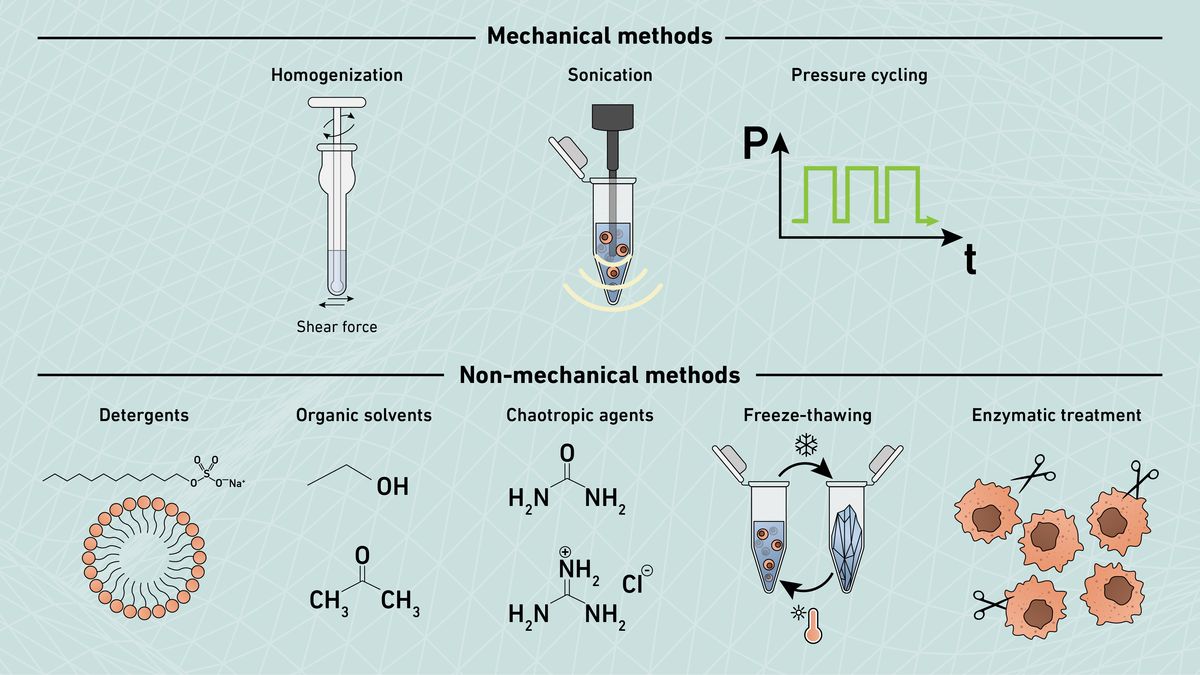
Figure 5: Cell Disruption Methods Classification
Mechanical methods: Homogenization (shear force), sonication (cavitation), pressure cycling (pressure pulses); Non-mechanical methods: Detergent solubilization, organic solvent extraction, chaotropic agents, freeze-thaw cycles, enzymatic digestion. Selection depends on target protein stability, cell wall type, and downstream purification compatibility.
3.3 Affinity Chromatography Purification
Affinity chromatography is the most commonly used high-efficiency method in industrial protein purification. It leverages specific binding between tagged proteins and immobilized ligands to achieve one-step purification. The His-tag and Ni-NTA resin combination is the most classic technical route.
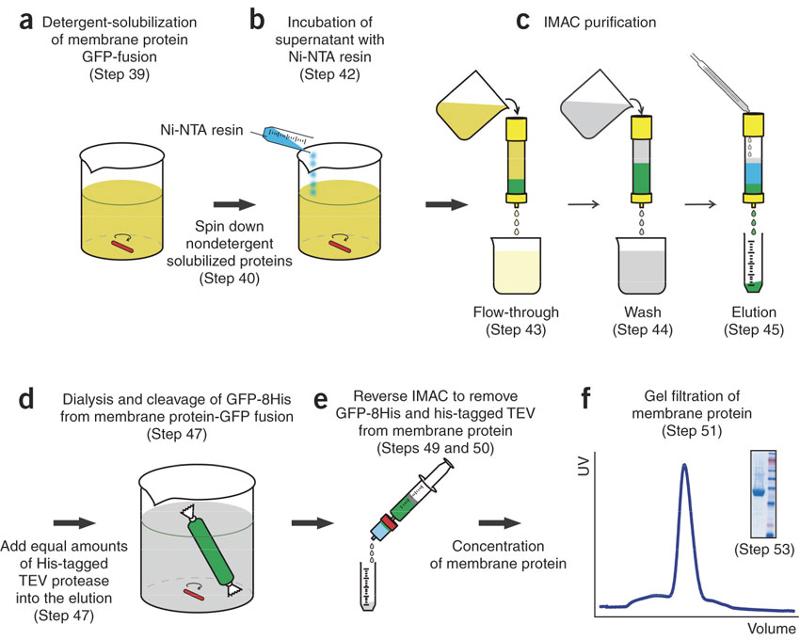
Figure 6: Membrane Protein Affinity Chromatography Workflow
Complete purification steps for membrane protein-GFP fusion: (a) Detergent solubilization; (b) Ni-NTA resin incubation; (c) IMAC affinity chromatography (load, wash, elute); (d) Dialysis and TEV protease cleavage; (e) Reverse IMAC to remove tag; (f) Gel filtration chromatography for final polishing. Each step includes UV detection and SDS-PAGE verification.
⚠️ Purification Process Considerations
Industrial-scale purification must pay special attention to scalabilityandcost-effectiveness. Methods that work well in the lab may face mass transfer limitations, backpressure increases, and resolution degradation when scaled up. It is recommended to use simulation software (e.g., ChromWorks) for scale-up prediction during process development.
Protein Crystallization & Structure Analysis
Protein crystallization is the gold standard method for determining protein three-dimensional structures, with irreplaceable value for drug design, enzyme engineering, and functional research. X-ray crystallography reconstructs atomic-level structural models by analyzing diffraction patterns from protein crystals.
4.1 X-Ray Crystallography Workflow
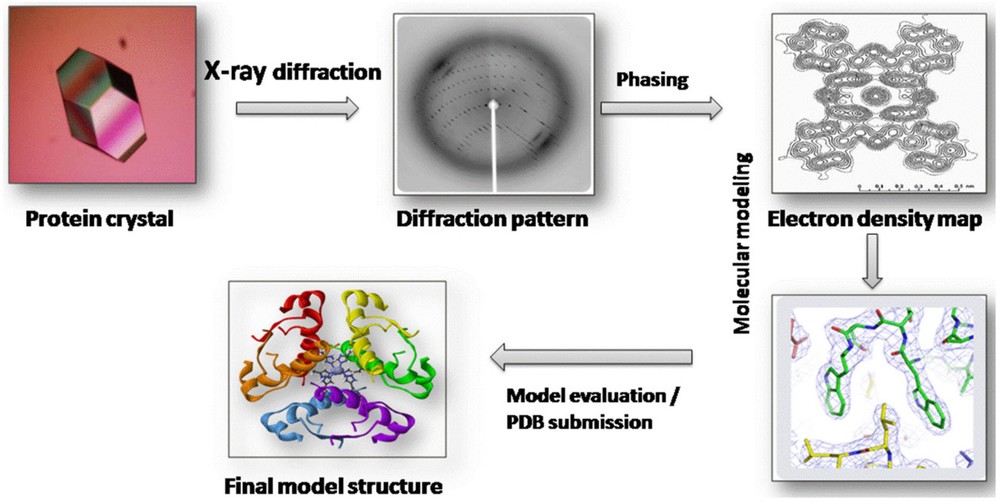
Figure 7: Standard X-Ray Crystallography Workflow
The complete workflow includes: (1) Obtain high-quality protein crystals; (2) Collect X-ray diffraction data; (3) Phase determination (Phasing) to calculate electron density maps; (4) Molecular modeling to build atomic coordinates; (5) Model refinement and PDB database submission. Resolution is the key metric for structure quality, typically requiring below 2.5 Å.
4.2 In Vivo Protein Crystallization — A New Frontier
Traditional protein crystallization requires large amounts of purified protein and time-consuming condition screening. In recent years, in vivo crystallization technology has made breakthroughs, allowing protein crystals to form directly inside living cells, greatly simplifying the workflow.
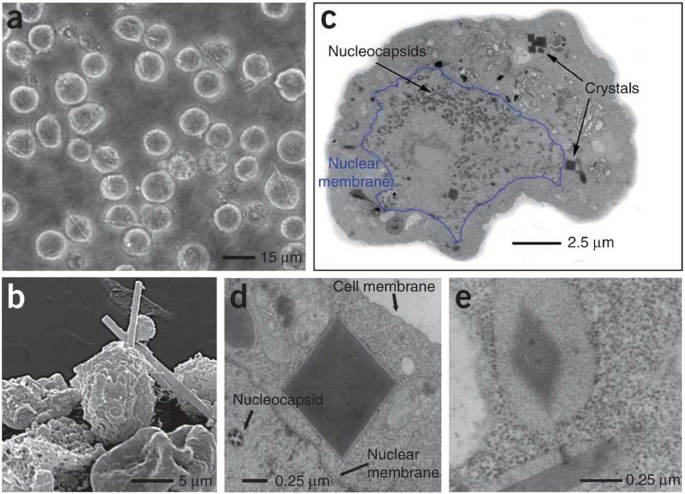
Figure 8: In Vivo Protein Crystallization Microscopy
TEM images showing: (a) Numerous protein crystals inside cells; (b) Crystal morphology under SEM; (c) Cell section showing spatial relationship between nucleocapsids and crystals; (d-e) High-magnification crystal lattice structures. This technology opens a new path for structural biology without requiring purification.
4.3 Impact of Resolution on Structural Accuracy
Crystal diffraction resolution directly determines the detail level of structural models. High-resolution data (<1 Å) can clearly resolve atomic positions, while low-resolution data (>3.5 Å) can only outline general contours.
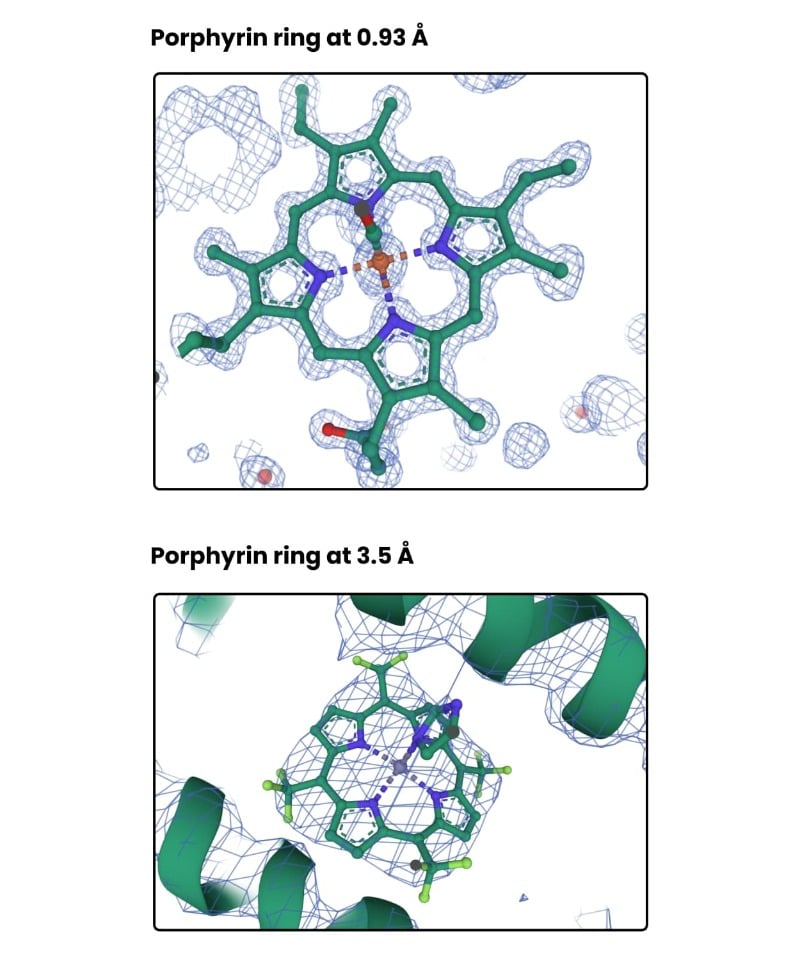
Figure 9: Resolution Effect on Electron Density Maps
Top: At 0.93 Å ultra-high resolution, every atom and chemical bond of the porphyrin ring is clearly visible. Bottom: At 3.5 Å resolution, only the ring skeleton can be identified, with side chain details lost. This explains why structural biology pursues the highest possible resolution data.
Industrial Applications
Industrial protein applications span nearly all modern industrial sectors. Among them, enzyme preparations represent the largest category of industrial proteins by volume and application scope, with global annual production exceeding 2 million tons.
5.1 Enzymes in the Food Industry
The food industry is the largest enzyme application market, accounting for approximately 45% of global enzyme consumption. From bread baking to juice clarification, from dairy processing to beer brewing, enzymes are everywhere.

Figure 10: Four Major Applications of Food Enzymes
1.Baking: Amylase improves flour baking quality, nutrition, and texture; 2. Juice processing: Pectinase for fruit peeling, juice clarification, and viscosity reduction; 3. Meat processing: Proteases improve product color, aroma, and taste while enhancing by-product value; 4. Dairy: Lactase for low-lactose products, rennet for cheese production.
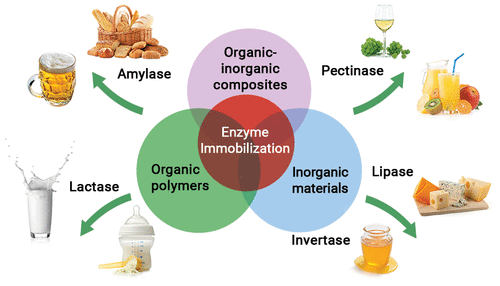
Figure 11: Immobilized Enzyme Technology in Food Industry
Immobilized enzymes are fixed using organic polymers, inorganic materials, or organic-inorganic composite carriers, enabling reuse and improved stability. The diagram shows five key food enzymes: Amylase (beer), Lactase (low-lactose milk), Pectinase (juice), Lipase (cheese), and Invertase (honey).
5.2 Protein Powder Processing Equipment
With the rising health consumption trend, the demand for protein powders (whey protein, soy protein, pea protein) has surged. Industrial-grade protein powder processing requires a complete production line.
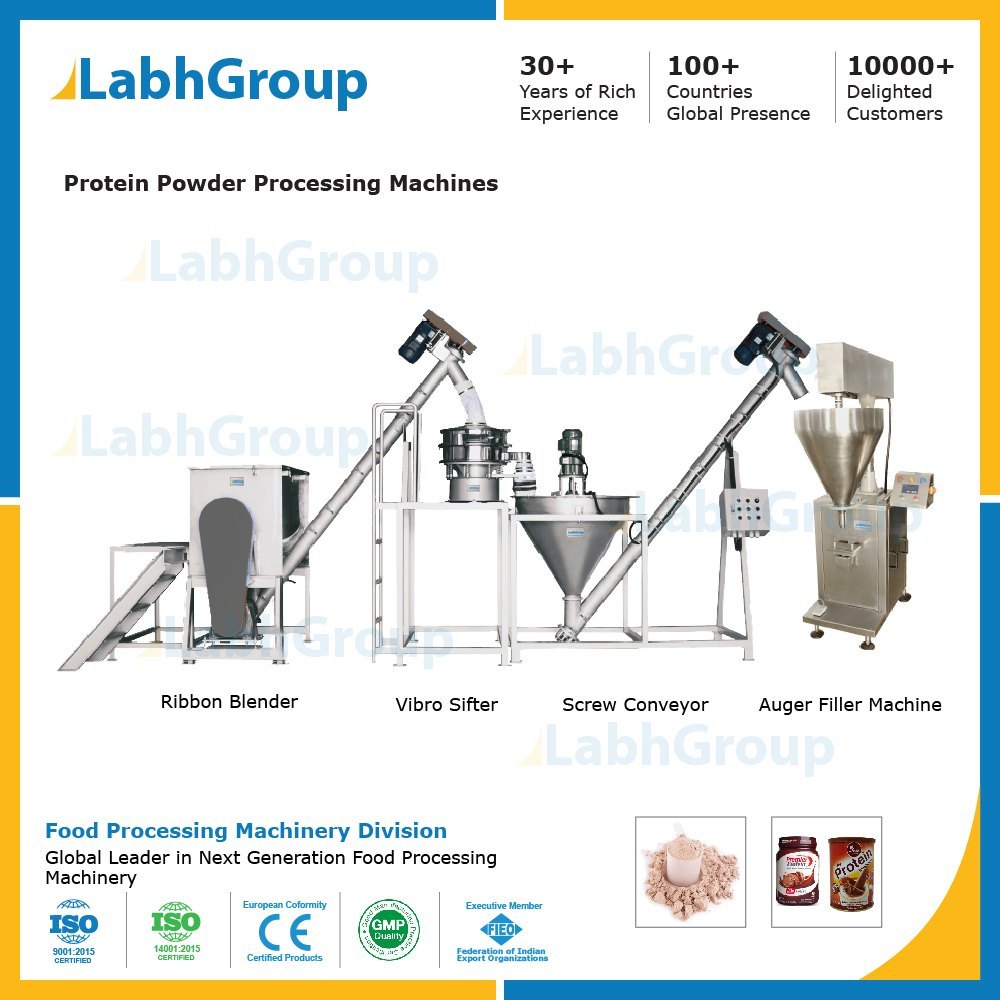
Figure 12: Fully Automatic Protein Powder Processing Line
A standard production line includes: Ribbon Blender for uniform raw material mixing, Vibro Sifter for particle size grading, Screw Conveyor for material transfer, and Auger Filler Machine for precise packaging. The entire line complies with GMP and ISO standards.
5.3 Other Key Application Areas
| Application Area | Representative Proteins/Enzymes | Function & Value |
|---|---|---|
| Pharmaceuticals | Insulin, antibodies, vaccines | Treating diabetes, cancer, autoimmune diseases |
| Detergents | Protease, lipase, amylase | Efficient low-temperature cleaning, reducing energy and chemical use |
| Textile Industry | Cellulase, pectinase | Bio-polishing, denim washing, desizing |
| Biofuels | Cellulase, amylase | Biomass hydrolysis to sugars, fermentation to ethanol |
| Animal Feed | Phytase, protease | Improving feed digestibility, reducing phosphorus emissions |
Market Outlook & Trends
The global industrial protein market is in a period of rapid growth, driven by multiple factors:
- Precision medicine demand: Expanding markets for monoclonal antibodies and recombinant protein drugs
- Green manufacturing transition: Enzymatic catalysis replacing traditional chemical synthesis, reducing pollution and energy consumption
- Alternative protein wave: Plant protein, microbial protein, cell-cultured meat, and other emerging fields
- Synthetic biology breakthroughs: AI-assisted protein design, cell-free expression systems, and other new technologies
🚀 Key Trends for 2026-2030
1. Continuous manufacturing: Shifting from batch to continuous-flow bioreactors, improving capacity utilization by 30%+;
2. Single-use technologies: Disposable bioreactors and chromatography systems reduce cross-contamination risk and shorten cleaning validation cycles;
3. AI integration: Machine learning optimizes fermentation parameters, predicts protein stability, and accelerates crystallization condition screening;
4. Sustainability: Carbon-neutral goals drive bio-manufacturing to replace petrochemical routes, highlighting the value of industrial proteins as green catalysts.
Quality Control Essentials
Quality control for industrial proteins spans the entire production process, ensuring product safety, efficacy, and stability. Key quality control indicators include:
| QC Item | Testing Method | Acceptance Criteria |
|---|---|---|
| Purity | SDS-PAGE, HPLC, SEC | ≥95% (pharmaceutical grade) / ≥90% (industrial grade) |
| Endotoxin | LAL assay | ≤0.25 EU/mg (injectable grade) |
| Host Cell Protein Residual | ELISA, Mass spectrometry | ≤100 ppm |
| Biological Activity | Enzyme activity assay, Cell-based assay | ≥90% of labeled activity |
| Stability | Accelerated testing, Long-term storage | Activity loss ≤10% within shelf life |
⚠️ Compliance Reminder
Pharmaceutical-grade industrial protein production must comply with cGMP (Current Good Manufacturing Practice) requirements, including complete batch production records, change control, deviation handling, and validation documentation. Food-grade proteins must meet national standards such as GB 2760andFSSC 22000 food safety system certifications.
Need Custom Industrial Protein Services?
We provide end-to-end services from gene synthesis, protein expression, purification process development to scale-up production, supporting multiple expression systems including E. coli, yeast, and mammalian cells.
Get Technical Proposal & Quote
