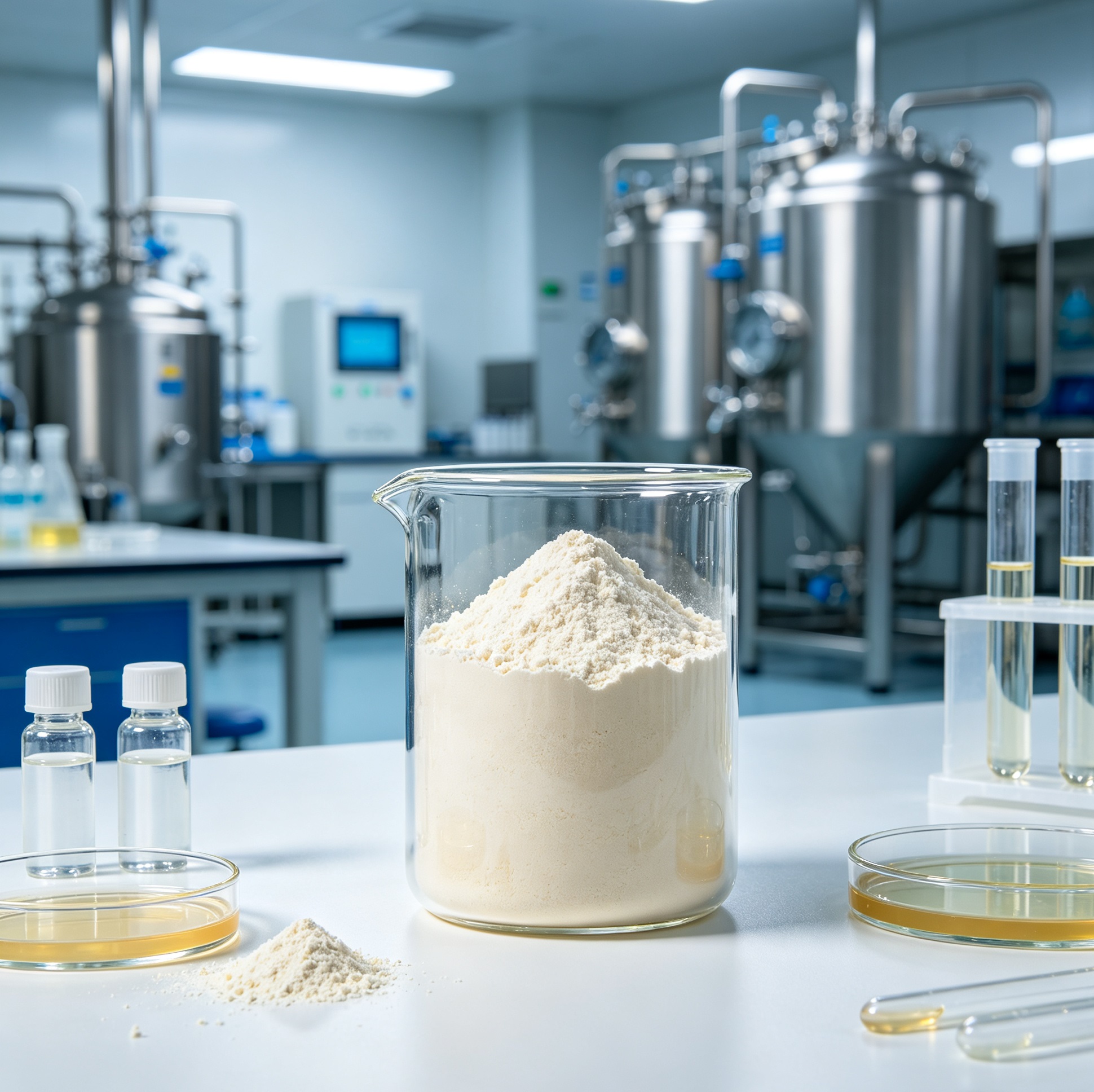
Industrial Peptone: What B2B Buyers Should Know BeforeSourcing
Industrial Peptone: What B2B Buyers Should Know Before Sourcing
Industrial peptone is widely discussed as a professional raw material for fermentation, microbiological culture media, and other biotechnology-related applications. For B2B buyers, sourcing peptone is usually not a simple price comparison. The application, process requirements, and technical specifications all play an important role in product evaluation.
In many cases, buyers need more than a product name. They need a clearer understanding of how peptone is used, which specifications matter, and what information should be prepared before starting a sourcing discussion.
What Is Industrial Peptone?
Industrial peptone is commonly used as a nitrogen source in certain fermentation and culture media applications. Depending on the product type and formulation requirements, it may also be evaluated for use in industrial biotechnology-related processes.
Unlike consumer-oriented ingredients, industrial peptone is usually discussed in a more technical way. Buyers often focus on specification matching, batch consistency, and document support rather than general promotional claims.
Common Application Areas
Industrial peptone may be discussed for applications such as:
- Fermentation processes
- Microbiological culture media
- Industrial biotechnology-related production
- Laboratory and industrial raw material evaluation
The exact suitability of a peptone product depends on the microorganism, formula, process setup, and target performance requirements. Because of this, application testing is often recommended before large-volume sourcing.
Which Specifications Do Buyers Usually Compare?
When evaluating industrial peptone, B2B buyers often compare several technical indicators. Common points of discussion may include:
- Total nitrogen
- Amino nitrogen
- Moisture
- Ash
- pH
- Solubility
- Appearance
- Batch consistency
Different applications may prioritize different specifications. For one buyer, solubility may be the main concern. For another, nitrogen values or batch stability may matter more. That is why product discussion should always be connected to the actual use case.
Why Application Context Matters
One of the most common sourcing mistakes is asking for peptone without enough application detail. In practice, the same product name may not lead to the same selection result for every customer.
For example, buyers in fermentation-related industries may focus on process compatibility and nutrient performance, while culture media buyers may pay closer attention to formula suitability, documentation, and consistency. Starting with the application usually makes the sourcing discussion much more efficient.
What Information Should Buyers Prepare Before Inquiry?
To make communication faster and more accurate, buyers are usually advised to prepare the following information before sending an inquiry:
- Application or target industry
- Required specification
- Estimated quantity
- Target market or destination
- Whether COA, TDS, or MSDS documents are required
- Whether sample evaluation is needed
A complete inquiry helps reduce unnecessary back-and-forth and improves the efficiency of product matching.
Why Batch Consistency and Documentation Matter
For industrial buyers, batch consistency is often a practical concern. Stable specifications can help make internal evaluation and production planning more manageable. In addition, many buyers also need technical documents for internal review before moving forward.
Depending on the product and supply arrangement, buyers may ask for documents such as:
- COA
- TDS
- MSDS
These documents are often part of the normal evaluation process, especially for customers in technical or regulated procurement environments.
Sample Testing Before Large-Volume Sourcing
For many industrial applications, sample testing is an important step before larger purchasing decisions are made. This allows buyers to review how a product performs in their own process, formulation, or testing environment.
Sample discussion is usually more productive when the buyer can clearly explain the target application and expected specification range.
How to Improve Peptone Sourcing Efficiency
In B2B sourcing, efficiency often comes from clear technical communication rather than broad marketing language. Buyers can usually improve the sourcing process by focusing on:
- Clear application background
- Defined specification priorities
- Document requirements
- Sample testing expectations
- Estimated order scale
This approach makes discussions more practical and helps both sides move toward a more suitable product match.
Conclusion
Industrial peptone is not usually sourced as a generic commodity. For most professional buyers, application fit, technical specifications, batch consistency, and document support are all part of the decision-making process.
If you are evaluating industrial peptone for fermentation, culture media, or related industrial applications, it is helpful to begin with your process requirements and target specifications. A more complete inquiry often leads to a more efficient discussion.
If you would like to discuss your application, specification needs, or document requirements, you are welcome to contact us for further communication.
Peptone vs Tryptone vs Soytone: Choose the Right Nitrogen Source
Peptone for Enzyme Fermentation: How Your Nitrogen Source Decides Enzyme Yield